
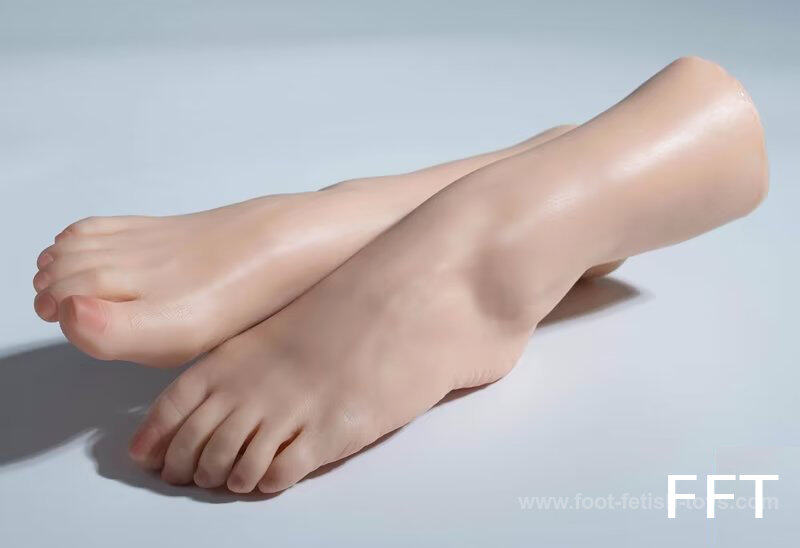
I want to emphasize again: TPE is not the preferred material for skin-contact adult toys. However, if what you care about most is the appearance and lines of foot-fetish foot models, then TPE is a very economical choice. That is the purpose of this article.
When cleaning toys made of TPE (Thermoplastic Elastomer), the core principles are gentle cleaning, avoiding corrosion, and thorough drying. This is because TPE is not resistant to strong acids, strong alkalis, high temperatures, or organic solvents. Improper cleaning can cause the material to harden, crack, or age prematurely. The specific steps and precautions are as follows.
1. Preparing Cleaning Tools and Supplies
Recommended items:
Mild soap, baby body wash, or toy-specific cleaner; a soft-bristle brush (such as a toothbrush); clean microfiber cloths; warm water at 30 to 40 degrees Celsius; 3 percent hydrogen peroxide solution (for disinfection).
Strictly prohibited:
Alcohol, bleach, acetone, laundry detergent (containing fluorescent agents or fragrances), disinfectant wipes containing alcohol, and hard-bristle brushes.
2. Detailed Cleaning Steps
Disassembly and pre-treatment
If the toy has detachable parts (such as accessories or battery compartments, and batteries should be removed first), disassemble them before cleaning. If there is surface dust or dried residue, gently wipe it off with a dry cloth.
Basic cleaning
Rinse the toy surface with warm water, then apply diluted mild detergent to the surface.
Use a soft-bristle brush to gently clean seams, textures, and other areas where dirt can accumulate. Avoid scraping with force to prevent scratching the TPE surface.
Rinse thoroughly with running warm water to remove all foam. Residual detergent can continue to corrode TPE, causing the surface to become sticky or the material to age.
Disinfection treatment (optional, suitable for intimate-contact toys)
TPE is not resistant to alcohol, so gentle disinfection methods should be used.
Method 1: Moisten a soft cloth with a 3 percent hydrogen peroxide solution and wipe the toy surface. Let it sit for 1 to 2 minutes, then rinse with warm water.
Method 2: Place the toy in boiling water for a quick blanching of no more than 10 seconds, then remove immediately and air dry. Prolonged exposure may cause TPE deformation.
Method 3: Use a toy-specific alcohol-free disinfectant spray and follow the instructions, then allow it to air dry.
Drying
Gently press a clean microfiber cloth against the surface to absorb water. Do not rub forcefully.
Place the toy in a cool, well-ventilated area to air dry naturally. Direct sunlight, high-temperature drying, or using a hair dryer with hot air is strictly prohibited. High heat can deform TPE and cause it to lose elasticity.
3. Cleaning Prohibitions and Precautions
Avoid using organic solvents such as alcohol, acetone, or makeup remover, as they can directly dissolve the TPE surface and cause cracking.
Do not use chlorine-containing bleach, which can make TPE hard, yellowed, and cause it to lose its original softness.
If the surface feels sticky after cleaning, it is most likely due to detergent residue. Rinse again thoroughly with warm water.
When storing, make sure the toy is completely dry, and avoid storing it together with toys made of other materials (such as PVC) to prevent sticking.
4. Recommended Cleaning Frequency
After daily use: Rinse with warm water and wipe dry each time.
Deep cleaning and disinfection: Once per week. For intimate-contact toys, increase frequency according to usage.

No comments yet~ Be the first to share your thoughts!