
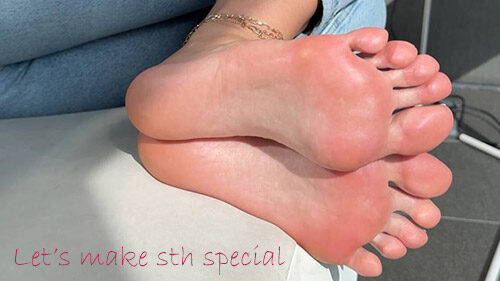
One of the aspects of the premium silicone model market that casual buyers often overlook is how substantially a base product can be transformed through customization. The model you see in the product photos is a starting point, not a fixed end state. Manufacturers like FFT offer a range of additional services that allow you to shape the final product to match your specific preferences—in some cases quite dramatically. Understanding what is available and how to approach these options intelligently can make the difference between a purchase you are satisfied with and one you are genuinely thrilled by.
Nail color and design. This is the most commonly chosen customization, and with good reason: nail color is one of the most visually dominant features of any foot or hand model, and it has an outsized effect on the overall impression the product creates. FFT's standard models are delivered with a default nail treatment, but customers who have specific color preferences—a classic deep red, a pastel pink, a French manicure finish, even bold art designs—can specify exactly what they want. This service is relatively inexpensive, typically in the $18–$30 range for a toenail set, and it is the single customization with the highest visible impact per dollar spent.
Internal toe bones. This is the customization that tends to generate the most positive surprise from first-time buyers who add it. At around $45 for the add toe bones service, it is one of the better-value upgrades in the catalog. Articulated internal toe structures allow the toes to be bent into natural positions and hold those positions without spring-back, fundamentally changing how the model behaves when handled. The tactile experience—feeling the toes bend and settle as a real foot's would—is something that photographs genuinely cannot convey, and almost everyone who has tried it reports that they consider it worth the cost.
Skin color customization. The base skin tones in standard production runs cover a range of common complexions, but buyers who have a specific preference—a particular tan tone, a lighter or darker shade than the standard offering, or a specific skin undertone—can commission a custom skin color at an additional cost. This service requires more production lead time because the custom pigmentation needs to be prepared and tested before the model is cast, but the result is a product that matches your preferences precisely rather than approximately. The Silicone Color Customization option is priced at around $50 and is well worth it for buyers who have a clear vision of what they want.
Specialized surface effects. For buyers interested in more unusual aesthetics, FFT's catalog includes options like realistic severed effects—detailed cross-sectional anatomy at the cut point for buyers interested in that specific aesthetic. These are niche options, clearly, but they represent the kind of manufacturer flexibility that distinguishes a company with genuine depth of experience from one that only offers commodity products. If your interest falls outside the mainstream, it is worth contacting FFT directly to discuss what can be accommodated as a custom production.
Adding functional elements. Some buyers want their silicone models to serve as more than just display or tactile objects. The option to add an artificial vagina insert to a foot-leg model, for example, transforms a purely aesthetic product into a functional one. This category of customization requires a different kind of manufacturing process and accordingly has different pricing, but it is available and represents a genuinely different product proposition for buyers whose intended use extends in this direction.
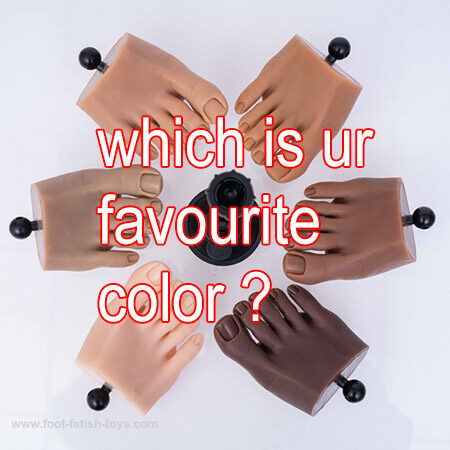
A practical note on timing: most customizations need to be specified at the time of order rather than added later, since they affect the production process rather than being surface treatments applied to a finished piece. The exception is nail art, which can sometimes be updated on an existing model that is returned to the manufacturer. If you are going through the customization options and feeling torn about what to include, the general advice is to add the toe bones and nail color at minimum—these are the two options that most consistently improve the ownership experience and are difficult or impossible to add after the fact.
The customization system at FFT reflects a broader philosophy: the product should serve the buyer's specific vision, not the other way around. When you are spending several hundred dollars on a premium silicone model, you are not buying off a shelf—you are commissioning something made to a standard of quality and tailored to your preferences. The additional services page exists to make that tailoring explicit and accessible. Spending thirty minutes with it before finalizing your order is almost always time well spent, and the result is a product that feels genuinely yours in a way that a fully standardized item simply cannot.

No comments yet~ Be the first to share your thoughts!