

There is a category of attraction that is distinct from foot fetishism proper, though the two frequently overlap: an interest not in feet themselves but in the shoes that encase them. More specifically—and more commonly than many people realize—an attraction to used, worn footwear that bears the imprint, the scent, and the material evidence of the person who wore it. This is sometimes called retifism (from a French term), but most practitioners simply call it a shoe fetish or worn shoes fetish, and its psychological roots are genuinely interesting.
Part of the appeal is object permanence. A shoe that has been worn extensively becomes, in a very real material sense, a record of its owner. The heel wear pattern tells you about their gait. The toe box shape tells you about their foot proportions. The sole patina tells you where they walked and for how long. For someone attracted to the person who wore the shoe, this material record can feel remarkably intimate—more personal, in some ways, than a photograph, because it is physical and tactile rather than purely visual.
High-heeled shoes carry particular significance in this context. Heels alter posture in ways that accentuate the legs and foot arch, and the cultural associations of high-heeled footwear with femininity, formality, and attractiveness are so deeply embedded that they operate almost below the level of conscious awareness. For someone already drawn to the aesthetic of well-dressed female feet, a high-heeled pump or strappy sandal is already loaded with meaning before any question of use or wear arises. A worn version of that shoe adds layers of specificity and personal history that amplify rather than diminish that meaning.
There is also a straightforward sensory component. Shoes retain scent. This is not a trivial point for anyone whose attraction has an olfactory dimension—and research on human sexual attraction consistently shows that scent plays a larger role than most people consciously acknowledge. The pheromonal and individual scent information retained in worn footwear represents a form of chemical intimacy that visual objects simply cannot provide. For buyers of foot fetish shoes from FFT, the knowledge that the shoes have been worn by real women connected to the brand adds precisely this dimension to the product.
It is worth being clear about what distinguishes a healthy interest in worn shoes from something more problematic. The key variable, as with most forms of sexual interest, is consent. A person who purchases worn footwear from a willing seller, or who collects shoes with the full knowledge and consent of the original owner, is engaging in a perfectly lawful and ethically uncomplicated transaction. The harm arises only when shoes or other personal items are obtained without consent—which is theft and represents a violation of another person's autonomy. Commercial markets for worn heels and sandals exist precisely to provide a consensual pathway for this interest.
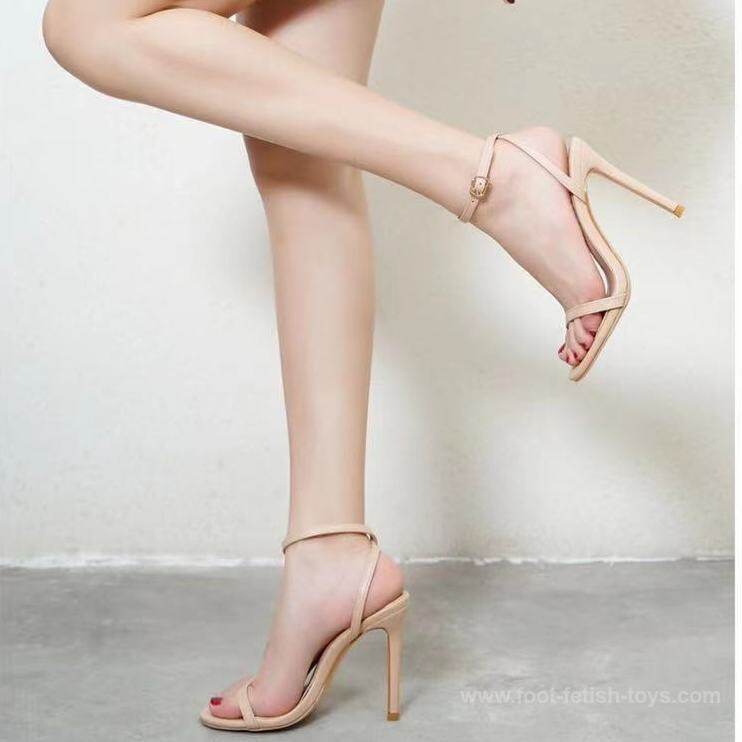
The specific styles that attract the most collector interest tend to cluster around a few consistent types. Classic pointed-toe pumps in black or nude, worn to the point where the heel tip shows wear and the inner lining holds the impression of the original foot's toe prints. Strappy high-heeled sandals that show tanning around the toe ring and ankle strap contact points. Mules and backless slippers that show the particular kind of wear that comes from a heel-first walking style. Each of these represents a distinct aesthetic, and serious collectors typically have clear preferences within this range.
For the broader community that orbits this interest, foot fetish shoes function as both collectible objects and as sensory extensions of an attraction that is already well-served by other products in the same market. Someone who owns a high-quality silicone foot model will often find that combining it with a pair of foot fetish shoes creates an experience that is qualitatively more complete than either product delivers alone. The shoe and the foot together are, after all, exactly how most people encounter attractive feet in the real world—framed by footwear that has its own aesthetic language.

2026/3/18 10:00:02 / Shoes Fan:
They can not get the feet, they get her shoes instead, that's it. And new shoes have nothing to do with her, worn shoes do.