
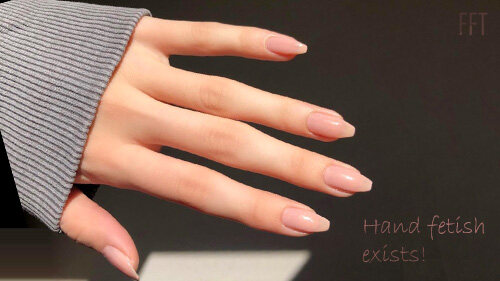
Of all the silicone body model categories, the hand might be the one with the most diverse user base. While foot and leg models appeal primarily to a specific interest community, silicone hand models serve a genuinely wide range of purposes that span professional, artistic, and personal applications. Understanding this breadth is useful for anyone considering a purchase, because it explains both the variety of products available and the quality standards that the best manufacturers have reached.
On the commercial side, silicone hand models are indispensable in several industries. Jewelry photography is the most obvious—photographers who shoot rings, bracelets, and watches need a hand that holds a consistent pose, takes direction, and never demands a break. A high-quality realistic silicone hand model can hold a ring on a specific finger at a specific angle for as long as a shoot requires, with no fatigue or variation between shots. For e-commerce product photography in particular, where dozens of similar shots need to be taken consistently, this kind of reliability has obvious value.
Nail art professionals and training academies represent another substantial commercial market. Practice on a realistic silicone hand allows nail technicians to develop their skills without requiring a human client to sit still for extended periods. The polish training hands in FFT's catalog are designed specifically for this use case, with nail beds that accept polish and nail tips in the same way as natural nails. For a training institution running classes of multiple students simultaneously, having a set of these models is not a luxury—it is a logistical necessity.
For artists working in drawing, painting, or digital illustration, a silicone hand model provides a reference that solves one of the perennial problems of figure drawing: hands are notoriously difficult to draw from imagination, and live model sessions are expensive and logistically complex to arrange. A realistic silicone hand can be posed in any position, lit from any direction, photographed for reference, and manipulated to capture the exact configuration needed for a specific drawing challenge. Many professional illustrators and concept artists treat a quality hand model as a standard piece of studio equipment.
The personal and sensory appeal of hand models exists alongside these commercial uses, and it should be acknowledged without embarrassment. Hands—like feet—carry an enormous amount of emotional and erotic significance for many people. The long fingers of a pianist, the precise grip of a surgeon, the casual elegance of a hand at rest—these are visual and tactile experiences that some people find genuinely compelling. The hand fetish toy category serves this interest with products that deliver the same quality of realism as the foot models they sit alongside in FFT's catalog.
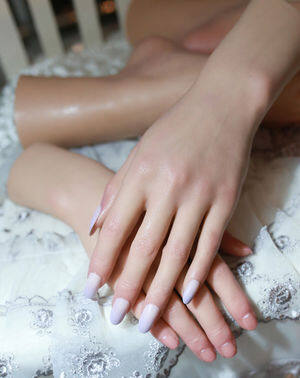
Material matters as much in hand models as in foot models, and for similar reasons. The palm of the hand has highly distinctive skin texture—the dermatoglyphic patterns, the crease lines, the soft pads at the base of each finger—and capturing these features convincingly requires both a high-quality mold and a material capable of holding fine surface detail. Premium models also benefit from internal wire or skeletal structures that allow the fingers to be repositioned without spring-back, holding whatever pose they are placed in.
One practical note for buyers: size matters more in hand models than many buyers initially realize. A hand model that is slightly too large or too small for the jewelry it is meant to display will make the jewelry look wrong, regardless of how realistic the model itself is. FFT offers both female and male hand models in different size classes, and the product descriptions include measurements. Taking five minutes to match the model size to your actual use case will save you the frustration of receiving a beautifully made product that does not quite fit the need you had in mind.

No comments yet~ Be the first to share your thoughts!