
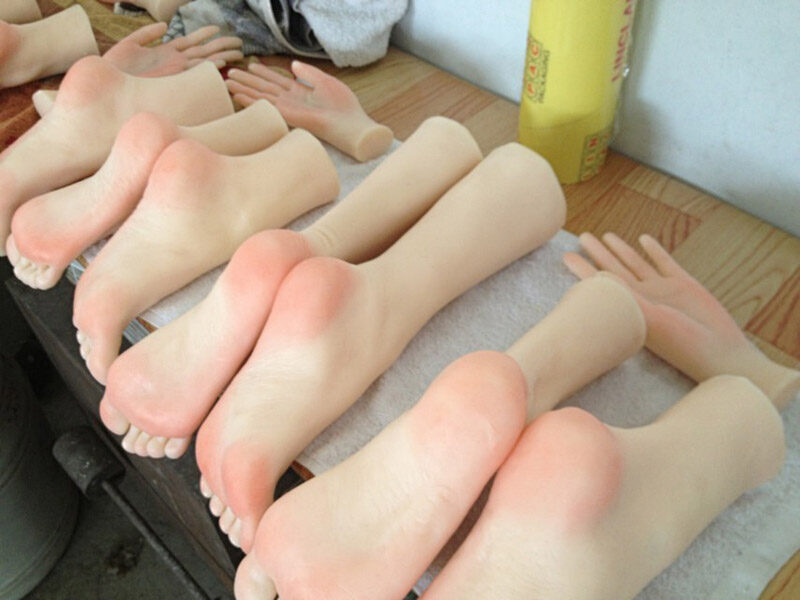
During the early stages of my silicone foot production, I experimented with a variety of materials. Because TPE is relatively inexpensive, I used it as the primary material for making silicone feet during the first few years while I was building up my mold-making skills in order to reduce costs. Later on, as you already know, we fully transitioned to silicone. Today, I want to seriously discuss the differences between TPE and silicone.
In the adult toy market, material safety and user experience directly determine a product鈥檚 value. TPE (thermoplastic elastomer) and silicone are currently the two most mainstream materials. Understanding the differences in their properties is key to choosing products that best suit individual needs. This article will first provide a brief introduction to TPE, then compare TPE and silicone across multiple dimensions, and finally clarify their respective suitability in the adult toy field.
Material Selection Recommendations for Adult Toys
Neither TPE nor silicone is absolutely superior. The choice ultimately depends on the user's core needs鈥攚hether one prioritizes cost-effectiveness and softness, or safety, durability, and high realism.
If you have a limited budget, prioritize extreme softness, and do not mind regular maintenance, TPE is the more suitable choice. It is especially appropriate for first-time adult toy users or those who are price-sensitive and replace products more frequently. It is recommended to choose high-quality TPE products that have passed REACH certification and have a density greater than 0.9 g/cm鲁 to avoid the safety risks associated with low-cost, inferior materials.
If you value long-term safety, durability, and a delicate texture close to real human skin, and are willing to pay for high quality, silicone鈥攅specially medical-grade platinum-cured silicone鈥攕hould be your first choice. Its stable chemical properties, simple cleaning process, and long service life make it particularly suitable for users with sensitive skin, hygiene-conscious individuals, or experienced enthusiasts.
Here is my preliminary analysis and summary of the two materials. For most consumers looking to purchase adult silicone toys, this article should be sufficient.
In the next article, I will provide a more detailed, multi-dimensional comparison of the two materials to satisfy readers who have a deeper interest in exploring material properties.

No comments yet~ Be the first to share your thoughts!