
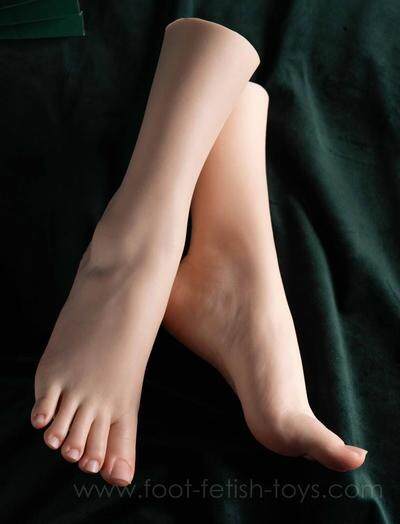
Foot fetishism, often referred to as podophilia, is one of the most commonly discussed forms of human fetishes. Despite its prevalence, it is frequently misunderstood, stigmatized, or reduced to stereotypes. A more thoughtful discussion requires examining where it may originate, how it is understood in medical and psychological fields, how people with this interest perceive themselves, and how society can respond with greater fairness and maturity.
Possible Origins of Foot Fetishism
The origins of foot fetishism are not fully understood, and there is no single explanation that applies to everyone. Some psychological theories suggest that early experiences, associations, or conditioning may play a role. For example, during formative developmental stages, certain visual or emotional stimuli can become linked to attraction later in life.
From a neurological perspective, researchers have noted that the areas of the brain responsible for processing sensory input from the feet are located close to regions associated with sexual arousal. This proximity has led some scientists to speculate that, in certain individuals, neural connections may overlap or interact more strongly, contributing to a foot-focused attraction. However, this remains a theory rather than a definitive explanation.
Cultural and symbolic factors may also influence interest in feet. In many societies, feet are associated with vulnerability, intimacy, or taboo, which can increase their psychological significance for some individuals.
Medical and Psychological Understanding
In modern psychology, foot fetishism is generally classified as a sexual interest rather than a disorder. According to contemporary diagnostic standards, it is only considered a clinical problem if it causes significant distress, impairs daily functioning, or involves non-consensual behavior.
Most mental health professionals agree that having a fetish, including a foot fetish, is a variation of human sexuality. It does not inherently indicate mental illness, abnormality, or moral failing. In consensual and respectful contexts, such interests are viewed as part of the broad spectrum of sexual preferences.
Importantly, many individuals with a foot fetish lead entirely ordinary lives, maintain healthy relationships, and do not experience psychological harm related to their interest.
How Foot Fetishists View Their Own Interest
People who identify as having a foot fetish often describe it as an intrinsic part of who they are, rather than a choice they consciously made. Some feel comfortable and accepting of their interest, especially in environments where open discussion of sexuality is normalized. Others may experience shame or anxiety, largely due to social stigma rather than the interest itself.
For many, their attraction is not solely sexual. It can also involve aesthetic appreciation, emotional intimacy, or symbolic meaning. Trust, consent, and mutual understanding are often emphasized by foot fetishists when discussing their preferences.
How Society Should View Foot Fetishists
A healthy society benefits from distinguishing between harmless personal preferences and genuinely harmful behavior. Foot fetishism, when practiced consensually and privately, does not harm others and does not warrant ridicule or discrimination.
Responding with curiosity, respect, and clear boundaries is more constructive than judgment. Education plays a key role in reducing misconceptions and fear. By understanding that sexual diversity is a natural aspect of humanity, people can foster a more inclusive and psychologically safe environment.
Ultimately, how individuals express intimacy is a personal matter, as long as it respects consent, dignity, and the well-being of everyone involved.
Foot fetishism is a complex and multifaceted phenomenon shaped by psychological, neurological, and cultural factors. Medical perspectives increasingly recognize it as a normal variation of human sexuality rather than a pathology. By approaching the topic with empathy and informed understanding, society can move beyond stigma and toward a more mature conversation about sexual diversity and personal identity.

No comments yet~ Be the first to share your thoughts!